

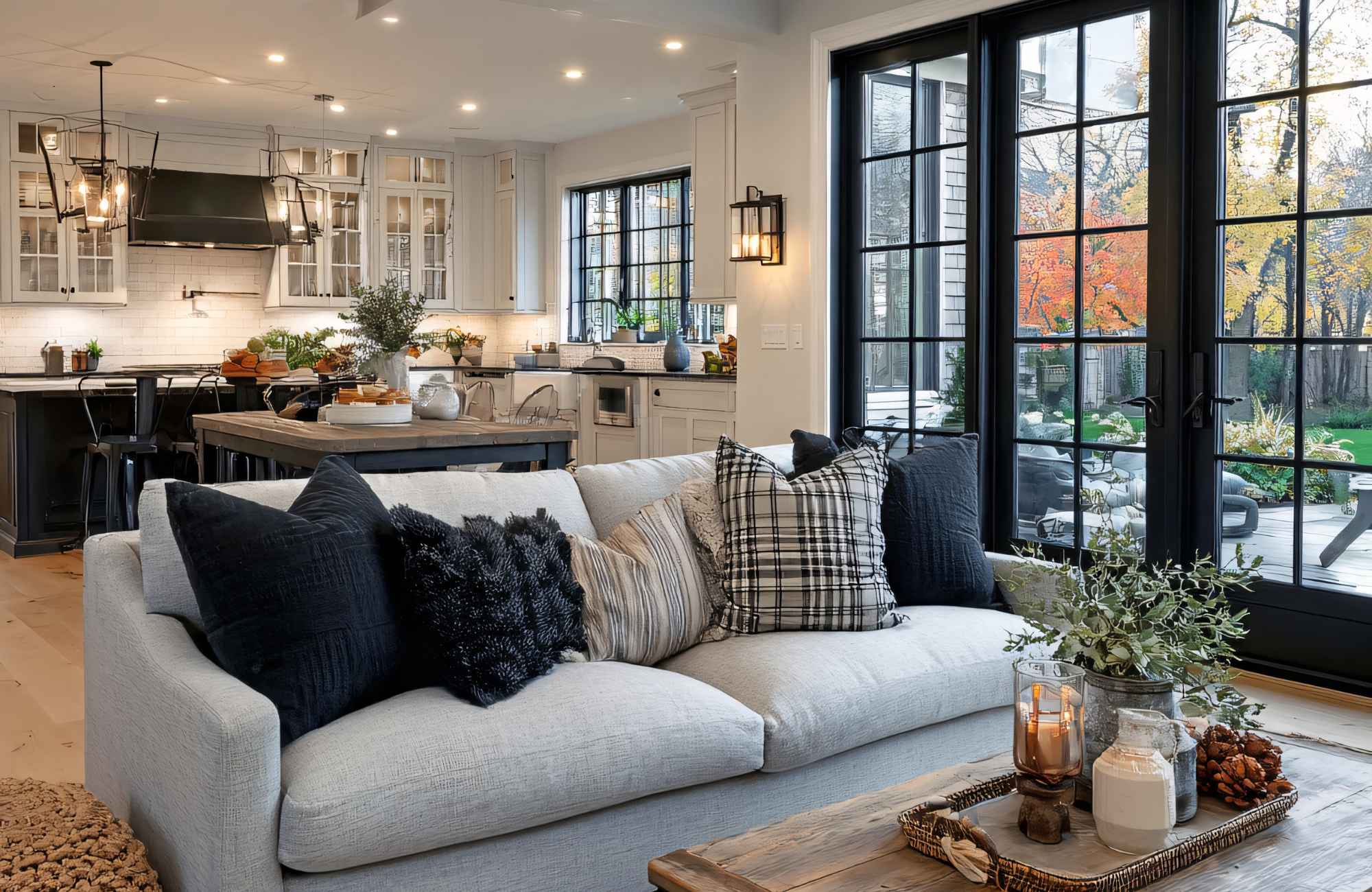
I love designing open floor plans for their effortless flow and connection, and closed floor plans for the character, intention, and sense of separation they can bring to daily living. As an interior designer in the Midwest, I’ve helped homeowners decide what works best for their lifestyle, routines, and the way they actually live in their home.
Open vs. Closed: Color Palettes
Open floor plans typically call for a cohesive color palette so each area flows naturally into the next. This ensures that the home feels calm and intentional rather than visually busy. Closed floor plans, on the other hand, offer the freedom to give each room its own color story and personality without competing with adjacent spaces.
Heading into 2026, we’re seeing open concepts being reimagined with smarter zoning, clearly defined activity areas, and flexible partitions. This approach allows homes to feel connected while still supporting comfort, function, and everyday living.
Open vs. Closed: Furniture Planning
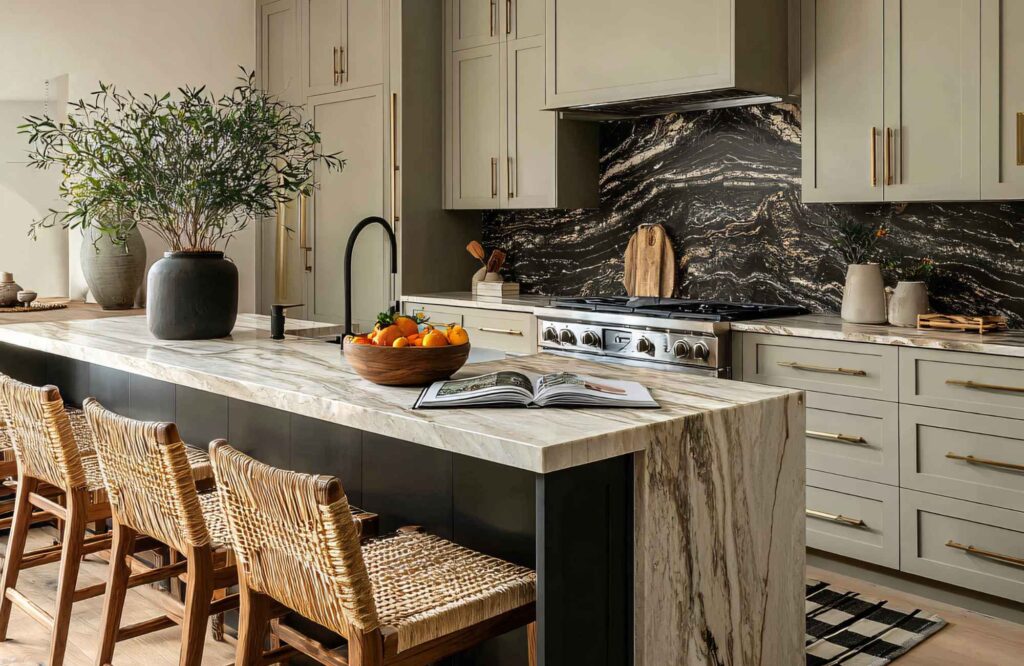
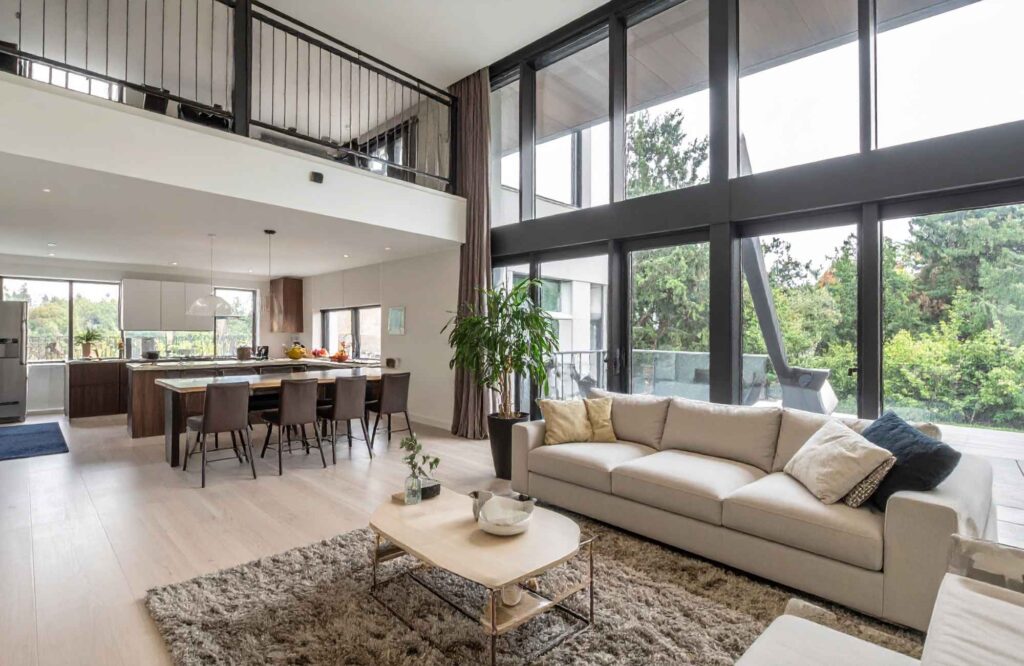
In open floor plans, we focus on furniture placement and area rugs to visually define zones like living, dining, and seating areas without interrupting sightlines. This is a practice that continues to be emphasized in 2026 design conversations.
In closed floor plans, my approach often shifts toward keeping larger furniture closer to the perimeter. This allows clear pathways and maintaining a sense of openness despite the presence of walls. This balance helps rooms feel intentional without becoming visually heavy.
Open vs. Closed: Lighting Levels
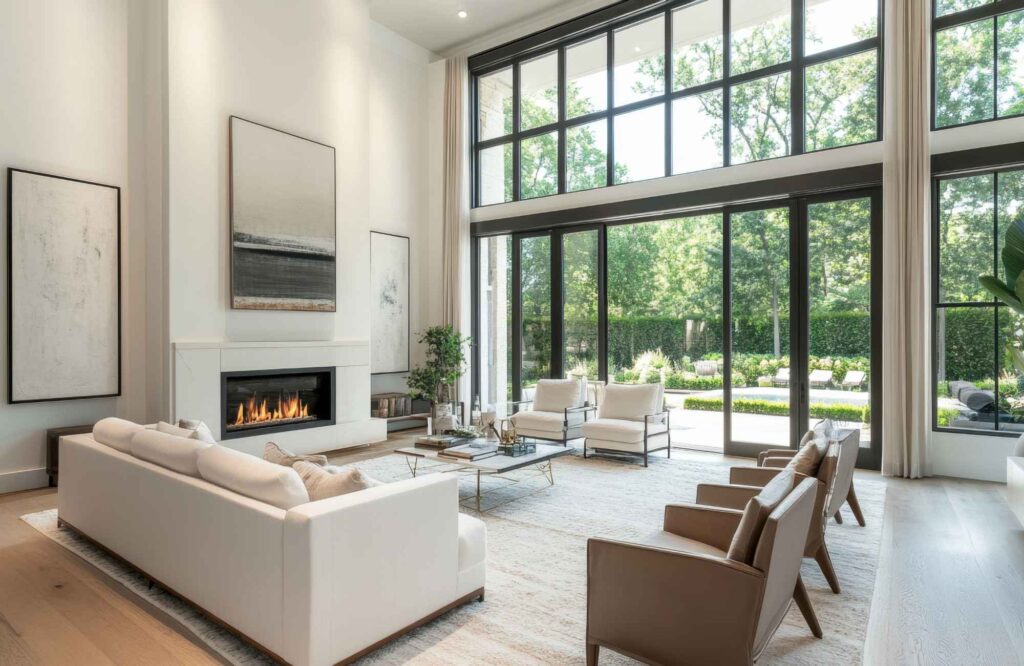
Open floor plans often require thoughtful strategies to control and filter natural light so the home doesn’t feel washed out or visually overwhelming as light travels freely from one area to the next.
Closed floor plans, on the flip side, usually benefit from design moves that enhance and take advantage of natural light, like lighter finishes, reflective surfaces, and intentional window treatments, to keep each room feeling bright and inviting rather than closed off.
Open vs. Closed: Privacy Solutions
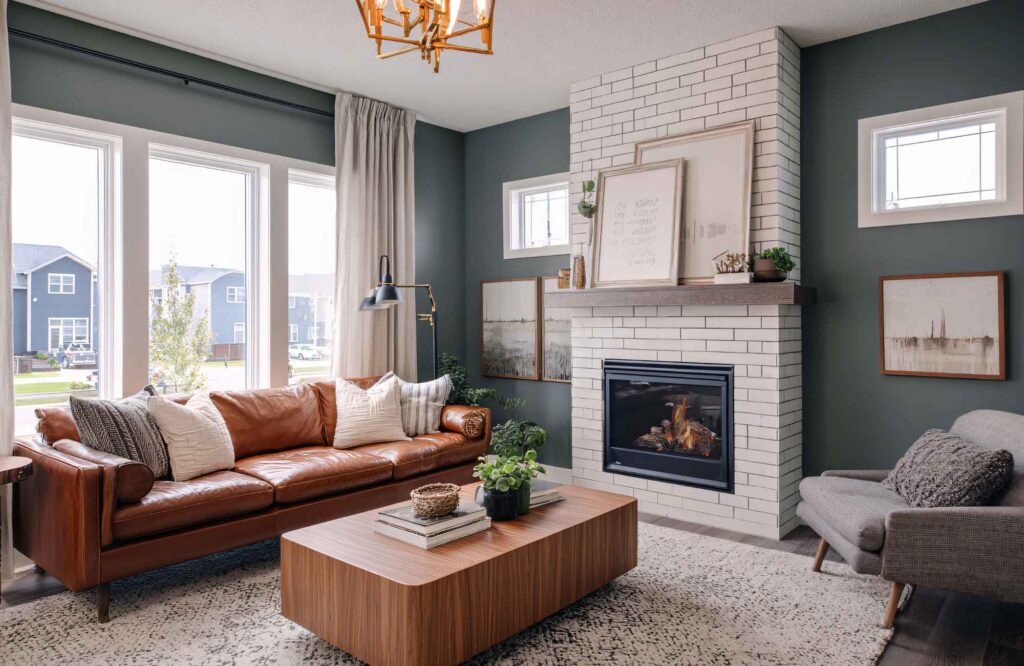
Open floor plans often require intentional solutions to address privacy, like layered window treatments, thoughtful furniture placement, or subtle room dividers that soften sightlines without closing everything off.
In closed floor plans, visibility and safety become the priority, which can be supported through wider door openings, interior glass doors, strategic lighting, and layouts that keep key living areas visually connected.
These are the kinds of practical, lifestyle-driven solutions Rooted Interior Design walks clients through so their home feels both functional and comfortable for everyday living.
Choosing the Right Floor Plan
At the end of the day, both open and closed floor plans come with their own challenges and their own opportunities. There’s no one-size-fits-all solution, which is why I focus on understanding the real pain points first, then designing thoughtful, practical solutions that support how you live.
At Rooted Interior Design, my goal is to work through those challenges with you and turn them into intentional design decisions that make your home feel comfortable, cohesive, and truly aligned with your lifestyle.
Want a home that feels cohesive and curated, no matter the floor plan? Contact us to start the conversation. We’re here for you!
Cheers,
Rianne



leave a comment